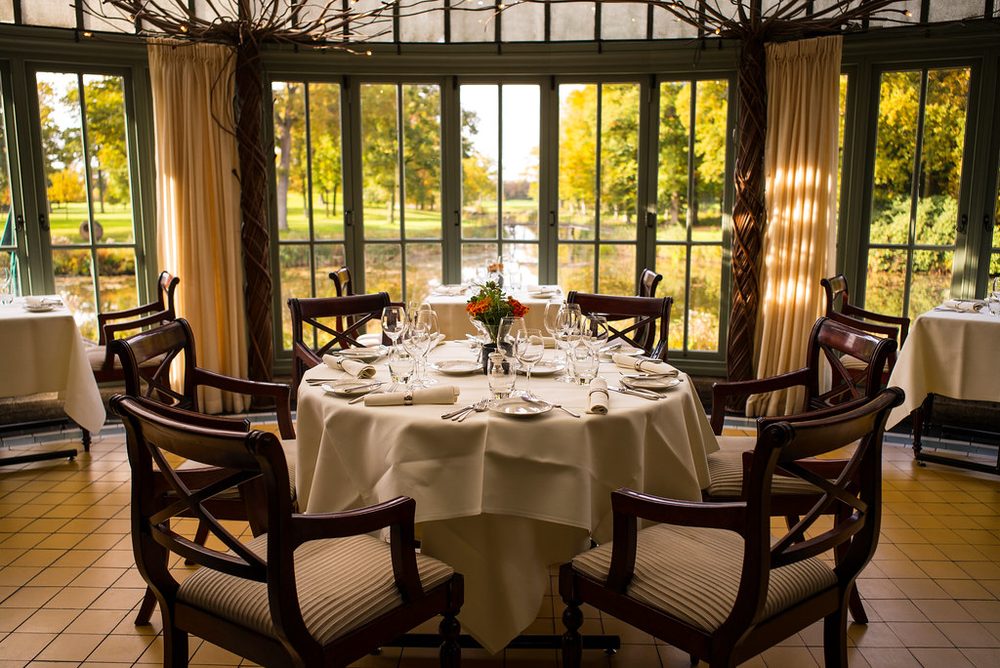
Your hotel website is not a brochure. It's a sales tool, a trust builder, and a search engine asset all at once. Most lodging operators focus only on listing rooms and rates—then wonder why guests book elsewhere. A real content strategy answers the questions guests ask before they ever see your rooms.
Why Content Strategy Matters for Lodging
The typical guest's journey starts with search, not your website. They type things like best small hotels in Asheville or what to pack for a beach vacation. If your content isn't there, they never see your property. More critically, they don't develop familiarity or trust before they land on a booking platform.
Content strategy flips this. It puts your property in front of people who are actively interested in your area or travel type. It positions you as a local expert, not just a room seller. When guests read your guide to the best breakfast spots and then see your lodge mentioned throughout, booking direct feels natural. You also own the relationship. A guest who follows your blog is more likely to sign up for a mailing list, return next year, and leave you a review.
Search engines now prioritize helpful, authoritative content. AI-powered search tools like ChatGPT and Perplexity cite sources when answering travel questions. If your hotel or lodge publishes well-researched content, you can appear in those citations. That's visibility no paid ad can guarantee.
Core Content Pillars for Hotels and Vacation Rentals
Every lodging property should build content around four pillars: local expertise, property showcase, guest logistics, and inspiration. These pillars work together to answer the questions guests actually ask and build authority.
Local expertise content positions your team as guides to the area. Write about neighborhoods, trails, restaurants, museums, and events. Include practical details: hours, parking, distance from your property, and why each spot matters. A lodge in Colorado doesn't just list ski resorts—it explains which mountains suit beginners, when to go, and what to bring. A beachfront hotel doesn't just mention the boardwalk; it guides guests to quiet spots, best sunset views, and seasonal marine life. This content ranks for keywords your guests are searching right now, and it keeps them on your site longer.
Property showcase content is different from a standard amenities page. Show your rooms, views, and spaces through the eyes of a guest. Document a day in the life at your property. Share stories about your staff, your renovation, your garden, or your restaurant. Use video, photo essays, and short narratives. This builds emotional connection and differentiates you from faceless booking platforms.
- Local expertise: neighborhood guides, event calendars, seasonal tips, transportation advice
- Property showcase: room tours, staff profiles, renovations, behind-the-scenes stories
- Guest logistics: packing guides, check-in procedures, house rules explained, accessibility information
- Inspiration: travel planning, bucket-list ideas, family trip planning, anniversary trip ideas
Content Topics That Convert for Your Guests
Start by understanding who your guests are and what they need to know. A family traveling with children has different questions than a couple on an anniversary trip. A ski lodge audience asks different questions than a beach resort. Map your guest personas, then write for each.
High-converting topics for most lodging properties include: what to pack for your season and region, how to get around the area without a car, best restaurants within walking distance, kid-friendly activities, date night ideas, accessibility and mobility information, quiet times to use common areas, and how to prepare your home before arrival if you're a vacation rental. Also write seasonal content: fall foliage guides, holiday trip planning, summer road trip itineraries, and spring break checklists. These topics have real search volume and draw guests in the planning phase.
Interview your staff and past guests for ideas. A front desk team knows what questions guests ask repeatedly. Housekeeping knows common problems. Ask yourself: what do guests comment on positively? What complaints have you addressed multiple times? Turn those into content. A guest who loved the local farmer's market becomes a guide. A complaint about cell service becomes an article on working remotely from your property. This approach ensures your content solves real problems.
Creating a Publishing Schedule and Content Rhythm
You don't need to publish constantly. In fact, sporadic posts signal to search engines that your site isn't actively maintained. A regular rhythm—one major piece per month, plus seasonal updates—is more effective than six posts one month and nothing for three months.
Design your calendar around your business cycle. If you're busier in summer, create content in spring and fall when you have more time. Build seasonal content six weeks in advance. A winter ski guide should publish by September. A spring wildflower guide should go live in February. This timing ensures your content ranks when guests are planning trips.
Organize by pillar. Month one might focus on local expertise. Month two covers guest logistics. Month three features inspiration. Rotation ensures you're building strength across all four pillars. Keep a content calendar visible to your team. When someone has a good idea—a restaurant that just opened, a guest compliment worth expanding on—add it immediately. This shared approach makes content part of your culture, not a side project.
Format and Distribution Across Channels
One piece of core content should live in multiple formats. A guide to local restaurants becomes a blog post, a social media series, an email for past guests, and content cards for your property. This multiplies your reach without multiplying effort.
Long-form blog posts are your primary format. A 1500-word guide builds authority and gives search engines plenty to index. Aim for depth: include maps, photos, opening hours, and real recommendations. Shorter social media posts can tease the blog post and drive traffic. Email updates to past guests (asking for permission first) remind them of your property and encourage repeat visits. Videos of property tours, staff introductions, or local highlights add richness and boost engagement.
Internal linking matters more than you think. Link your local guide to relevant property features. Link your packing guide to your rooms page. Link your restaurant recommendations to your dining area or bar. This helps both guests and search engines understand your site structure and keeps visitors browsing longer.
Measuring What Works
Track three core metrics: search visibility, traffic to your booking page, and direct bookings influenced by content. Use Google Search Console to see which content pieces rank for which keywords and how often they appear in search results. See which topics are gaining ground and which are flat.
Use Google Analytics to track how long visitors spend on content pages and whether they navigate to your rooms or contact page afterward. A guide that draws traffic but doesn't lead anywhere is interesting but incomplete. You need to see the path from content discovery to booking intent. UTM tags on links in your content help you track which pieces drive the most qualified visits.
Ask guests how they found you. Include a simple question in your check-in process or follow-up email: Did you read any of our blog content before booking? Over time, patterns emerge. If the hiking guide consistently correlates with bookings, expand that pillar. If your staff profile page gets traffic but no bookings, rethink the angle or link strategy.
Common Content Mistakes to Avoid
The biggest mistake is writing only about yourself. Your property, your rooms, your amenities—these belong in content, but they shouldn't be the only topic. Guests don't search for you by name. They search for what they want to do or experience. Content focused purely on self-promotion ranks poorly and attracts the wrong audience. Balance promotion with genuine helpfulness.
Another common error is writing content that's too generic. A guide to San Francisco or Sedona that could apply to any hotel doesn't differentiate you. Specificity is your strength. Write about the neighborhoods within walking distance. Mention local businesses by name. Include opinions. A guide that says the Italian restaurant near us has the best pasta in the area is more compelling than a list of five generic dining options.
Don't neglect updates. Content that was accurate two years ago is stale. Restaurant hours change. Trails close for maintenance. A guide published once and never revisited loses value. Add a visible publication date and last-updated date to your content. Set a reminder to refresh seasonal posts yearly. This signals to search engines that you're actively maintaining your site and gives readers confidence in the information.
Getting Started This Week
You don't need a complex system to start. Choose one topic your guests ask about repeatedly. Write 1200 to 1500 words with real details, links, and photos. Publish it on your website. Share it once on social media. That's your first content asset. Next month, do it again.
If writing feels overwhelming, record yourself talking about a local attraction or answering a guest question. Have someone transcribe it and edit it into a post. Many hotels find that voice-to-text is faster than blank-page writing. The goal is not perfection; it's consistency and depth. Over six months, ten pieces of core content will compound. Guests will find you in search. Direct bookings will increase. Your property will become known as a trusted source, not just a room for rent.
See exactly what each Fracmo plan ships. Every deliverable and every price is public — $249, $999 and $2,490 a month, month-to-month, no discovery call to see a number.
See Fracmo pricing →Keep reading
- What is a fractional CMO? — the plain-English 2026 guide
- Fractional CMO cost in 2026 — real numbers, including ours
- AI CMO vs fractional CMO — how the models actually differ
- Compare Fracmo to agencies, in-house hires and DIY tools
- Fracmo's CRM for hotels, lodges and vacation rentals — pre-configured pipeline, booking and KPIs for the vertical
- All Fracmo blog guides