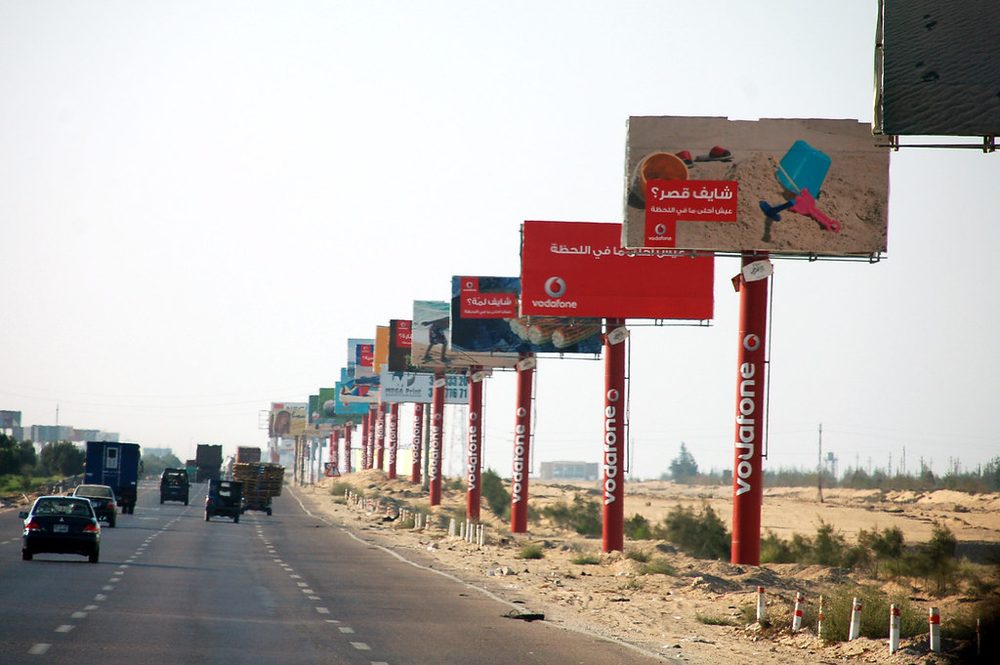
The board deck version of the debate has two slides. One says nobody buys from a company they've never heard of, so invest in your brand. The other says brand is what companies with money burn to invest in pipeline. Both slides are right, both are incomplete, and a small company that picks either one cleanly usually regrets it within the year.
What each one actually buys you
Demand generation buys measurable, near-term motion: search ads against buying-intent queries, outbound to a defined list, comparison pages, retargeting. You spend on Monday and can see by the following Monday whether anything happened. Its weakness is that it stops when the spending stops, and it gets more expensive as you exhaust the small pool of people already looking.
Brand buys the conditions that make demand cheaper later: recognition, memory, trust before the first conversation. When brand exists, ads convert better, outbound gets replies, sales cycles shorten, and everything downstream gets a tailwind. Its weakness is lag and measurement: the payoff arrives quarters later and resists attribution, which makes it psychologically brutal for a company watching its runway.
The unpopular sequencing answer
For most companies below meaningful scale, demand comes first. Brand still matters, but a small company's survival math runs on this quarter's pipeline, and early demand work generates the raw material brand is made of: real customers, real results, real language from real sales conversations. Brand campaigns launched before anything exists are decoration: a voice with nothing yet to say.
But, and this is the clause both camps skip, demand-first only works if every demand asset is built to compound. The same dollar can buy a disposable click or a durable asset, and the difference is in how it is built:
- A comparison landing page written honestly enough that it ranks and gets cited, versus a disposable click-through page that dies with the campaign.
- An outbound sequence that teaches something useful in every touch, versus one that spends goodwill begging for meetings.
- A consistent name, look, and argument across every ad and email so each impression deposits into the same memory account, versus a rebrand every quarter that empties it.
- Case studies captured systematically from the first wins demand produce the single cheapest brand asset that exists, and the one small companies most reliably fail to collect.
When the default flips
Sequencing is situational, and there are honest exceptions. If you're creating a category where nobody searches for what you sell, there's no intent to harvest, and education-flavored brand work is the demand engine. If your sales motion runs on a small number of large, trust-heavy deals, reputation in a tight community outperforms any ad budget. And once demand channels visibly saturate, with rising acquisition costs against a flat market, the highest-return marginal dollar becomes the brand dollar, usually a year before anyone updates the budget to reflect it.
How to hold both without a big budget
The practical resolution is a design constraint rather than a percentage split. Spend where the pipeline needs you to spend, and refuse to fund any demand work that leaves nothing behind. One consistent argument, repeated across every channel until the team is bored of it, is a brand strategy a two-person marketing function can actually run. The companies that look like they skipped brand and got away with it almost never did; they built it as a byproduct of disciplined demand work, which is the only version a small budget affords.
This budget-allocation fight is a recurring piece of the fractional CMO's job: someone has to make the sequencing call, defend it against whichever camp is losing, and revisit it honestly when conditions change. It's judgment work, which is why a few senior hours a week are usually enough to keep the whole budget pointed somewhere coherent.
See exactly what each Fracmo plan ships. Every deliverable and every price is public: $249, $999 and $2,490 a month, month-to-month, with no discovery call to see a number.
See Fracmo pricing →Keep reading
- What is a fractional CMO?: the plain-English 2026 guide
- Fractional CMO cost in 2026: real numbers, including ours
- AI CMO vs fractional CMO: how the models actually differ
- Compare Fracmo to agencies, in-house hires and DIY tools
- All Fracmo blog guides